Everything the OP really needed to know was in the first two responses.
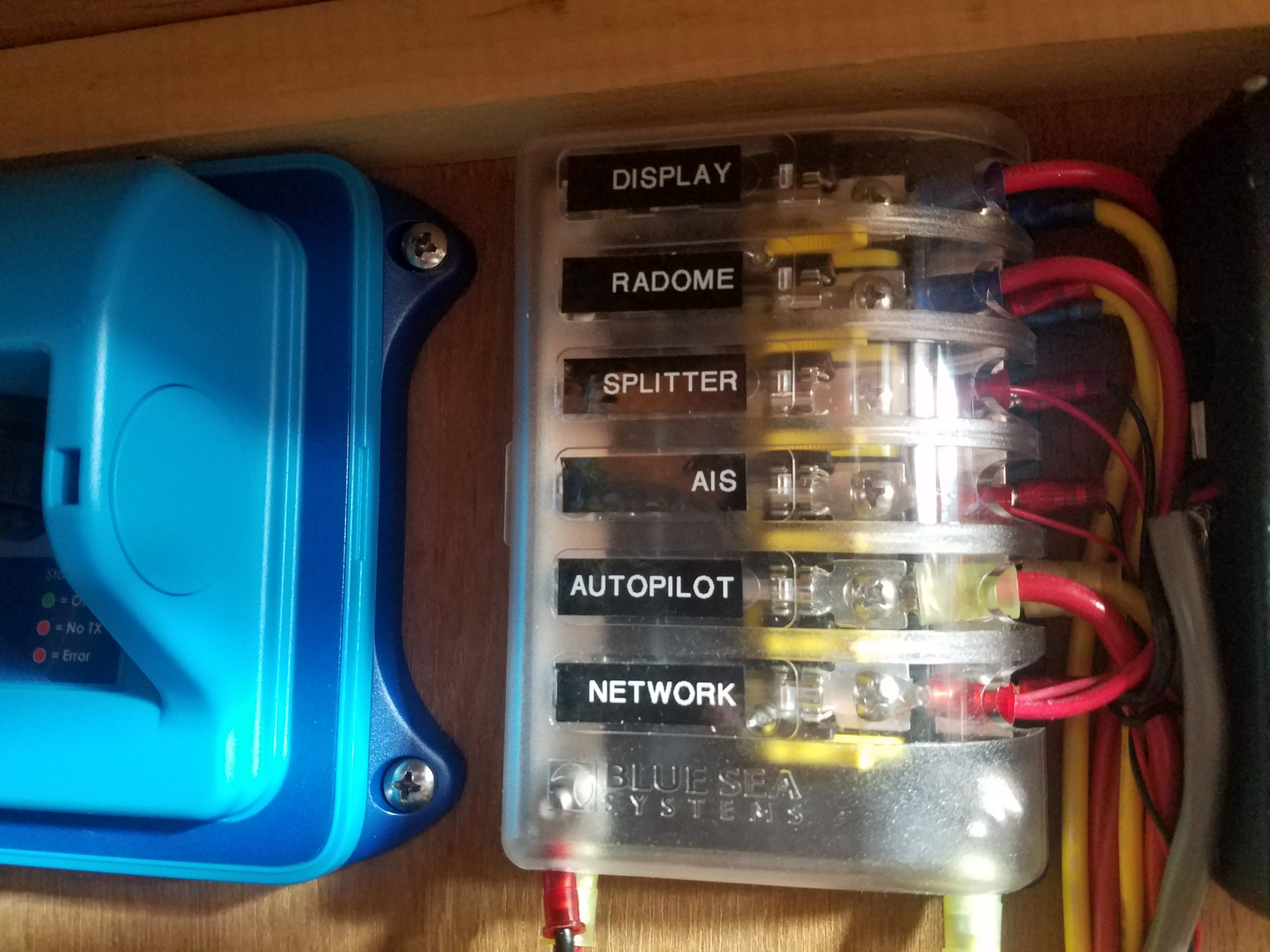
As post #2 said, a 3 amp fuse at the panel, before the #14 wire, will give you all the protection you need, as long as there are no other devices on the circuit. The size of fuse that is listed in wire charts is the maximum. There is no minimum.
Post #3 gave you a link to an ABYC standards based chart
http://assets.bluesea.com/files/resources/reference/20010.pdf that tells you how much to upgrade the wire size for longer wire runs. Going 10 feet away from the feed counts as 20 feet in the chart, because you have 10 feet of wire going out (maybe red) & another 10 feet coming back (probably black). According to that chart, assuming a 3 amp load, you use the 5 amp column. For “critical equipment” #14 wire can be used for up to 20 feet. For non-critical equipment, it can be used for up to 65 feet. The difference is the amount of voltage drop that will be seen. In the real world, you can go a little longer because the chart lists 5 amps in that column & you are actually using less. Also, just because you are fused at 3 amps, does not mean that you are actually pulling close to three amps. You may draw a lot less. I have a Garmin unit that came with a 3 amp fuse installed. It draws less than 1 amp. If you only draw 1 amp in the real world, then you can go a lot further than the chart lists for a 5 amp load.
I will add that that, when you go to crimp the #22 wire, you may want to strip back about an inch of insulation, then fold the copper over a few times to fatten it up so that it will fit in the crimp a little more snug. Trying to get a good connection with a single thickness of #22 in a red crimp is something I have not had much luck with.
Your owners manual may list a range of fuse sizes & types that are acceptable. If not, then I would stay with the size & type of fuse that was originally provided.