That is my feeling, specifically reguarding swages...
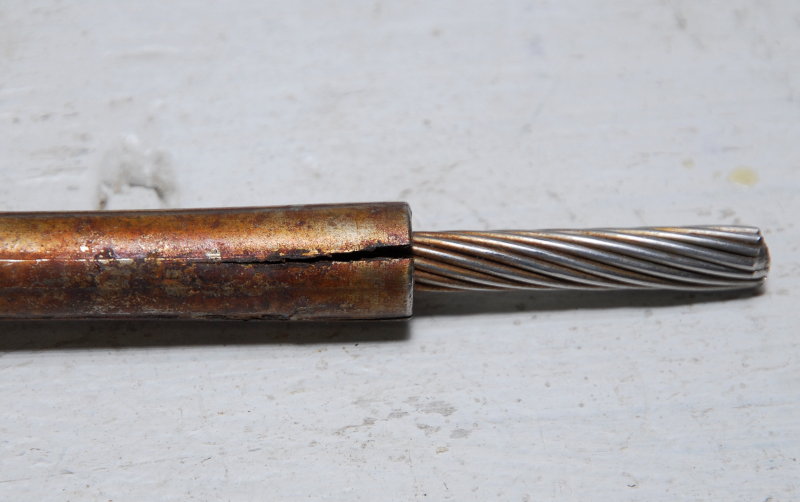
Sometimes failures are easy to spot:
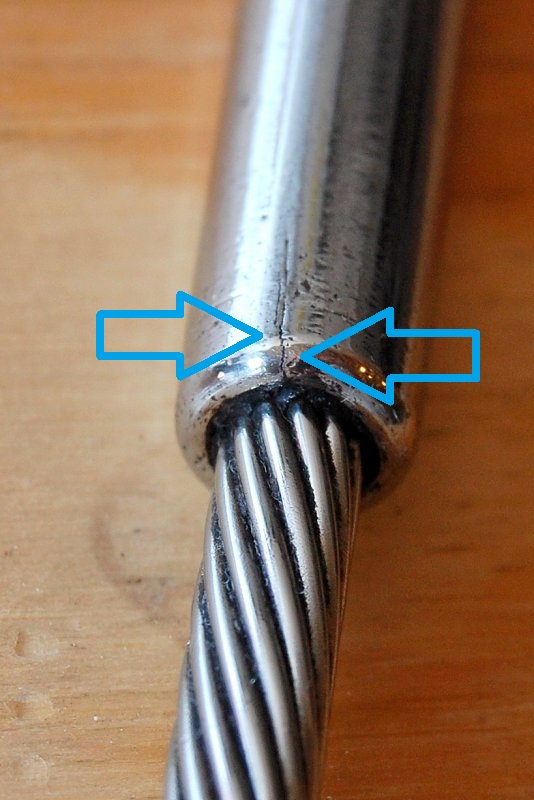
Sometimes a little harder:
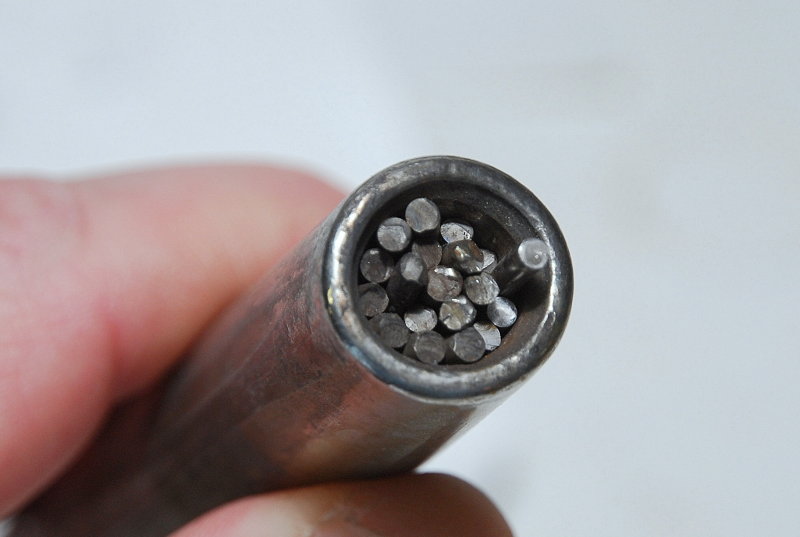
And sometimes I don't even know that an x-ray could predict a failure:
... which was the original question.
The most common cracks start at the wire entry, as you show, and you can almost always see them coming well before failure. Your examples would be easy to spot, even much earlier, with a glass. Yes, an x-ray might see them, but the "line" of indication would parallel the strands and thus be difficult to spot.
The shear failure of the wires, again would be hard to see, as it would line up with the end. Generally, a cracked strand gives early warning.
And really, if there is any indication on
any fitting on the boat, you replace them all since they are untrusted. The cost of the x-ray service compared to the
depreciated value of the rigging is not, IMHO, a
good deal. I'm not sure how you do the masthead fittings without either taking them down (most sailors do not pull masts in the winter, but some in the north do) or taking a lot of trips up-and-down. Then, there are all the worker/community exposure rules. I suspect the rigging labor and testing will approach the residual value of the rigging.
Chainplates, depending on how hard they are to get at, is a completely different matter. Easier to evaluate, higher replacement cost. Often a very good idea, rather than tearing the boat open. Turnbuckles and the like may also make sense, as they are easy.