I have a similar question to that by Raven on single handed docking. I sail from a marina that doesn't allow leaving or docking under sail - only power. So generally, when I have another person with me, I have them hold the tiller while I raise/lower the sail. I've struggled with a way to do this while sailing solo. I have a 19 ft Oday - no problem docking under power and sail lowered. Any recommendations on how to best lower the sail while in open water solo...or is it safest to the leave the sail raised, dock, then lower the sail? I ask because the tradition at the marina seems to be to have the sail completely lowered before docking.

Similar -but different - Single Handed Docking
- Thread starter jbulot@yahoo.com
- Start date

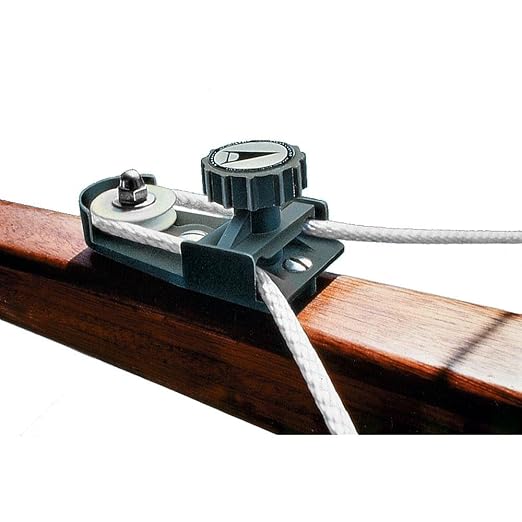

An auto-tiller is best but a tiller-tamer or tiller-clutch will give you a chance to release the tiller for a few moments at a time. Or, what I did before I bought an auto-tiller, I wrapped a line 3 or 4 times loosely around the tiller and tied it off to each side of the cockpit. When I wanted it to hold the tiller I slid the wraps forward until they were snug. To free the tiller simply slide the coils back till they're loose again. It worked like a charm.

I rent guest slips at a lot of different marinas and am usually limited to what is currently available. Docking under sail in some slips are a piece of cake. Others I have to dock heading down wind which is okay with jib alone but would be a nightmare with the mainsail up.Get rid of motor that way according to your marina you don't have to dock? No really can you really not have just a sailboat at your marina or if you have a motor you have to use it just wondering
Yes, when they say that docking under sail is not allowed, they mean the sail needs to lowered prior to docking. They are trying to avoid that an unexpected gust of wind might knock a boat into others. Regarding how to drop the sail I would suggest starting the engine to assure you will have power after dousing the sail. Point the boat into the wind and take the engine out of gear allowing the boat to slow down, there will be a short span of time where the boat will hold course with no one at the helm. Let the halyard loose and walk to the mast and finish pulling the sail down hand over hand. You should have plenty of time so no need to rush. Once the halyard is let go and the sail starts to drop the wind influence will diminish and once the sail is down you can tie it off at the boom and go back to the helm.

Many marinas now don't allow sailing inside the marina at all. Up in Kentucky lake had to paddle my sharpie in and out, since no engineGet rid of motor that way according to your marina you don't have to dock? No really can you really not have just a sailboat at your marina or if you have a motor you have to use it just wondering
A buddy of mine on his RK 20 tied a long bungee to his tiller, which was left loose. The other end was tied to the boom, with mainsheet left loose. He would get into open water and hoist the sails. If the boat tried to fall off, the bungee would pull the tiller to leeward, and head the boat back upwind. Worked well
I like that idea.A buddy of mine on his RK 20 tied a long bungee to his tiller, which was left loose. The other end was tied to the boom, with mainsheet left loose. He would get into open water and hoist the sails. If the boat tried to fall off, the bungee would pull the tiller to leeward, and head the boat back upwind. Worked well

I use my autopilot. If you don't have an autopilot - strap the tiller in or use sheet-to-tiller steering.
Or just motor in with the sail up and say "I wasn't sailing, I had my motor on" - I don't do this because the prevailing winds at my marina would make docking with the sails up difficult - I may actually hit my neighbor's boat with the boom. The folks on the other side regularly sail in. Some of the racers don't even have motors.
Or just motor in with the sail up and say "I wasn't sailing, I had my motor on" - I don't do this because the prevailing winds at my marina would make docking with the sails up difficult - I may actually hit my neighbor's boat with the boom. The folks on the other side regularly sail in. Some of the racers don't even have motors.

I like the bungee idea. However, no need to spend money on a tiller tamer when all you need to do is just tie off the tiller.
I have wheel steering, but believe me when I say we have the same issue. Moving forward to the mast to raise the sails while the boat is moving. So once I set the boat into the wind I watch for a few to see what the boat wants to do. Then I adjust the wheel accordingly and lock it down. Most times I will hoist the mainsail and go back and readjust the wheel accordingly. Then forward to hoist the headsail. Coming back from my sailing I do the same process.
So a length of line attached to the tiller and tied off will keep the boat into the wind if you have accounted for prop walk or any other forces that are affecting the boat.
I have wheel steering, but believe me when I say we have the same issue. Moving forward to the mast to raise the sails while the boat is moving. So once I set the boat into the wind I watch for a few to see what the boat wants to do. Then I adjust the wheel accordingly and lock it down. Most times I will hoist the mainsail and go back and readjust the wheel accordingly. Then forward to hoist the headsail. Coming back from my sailing I do the same process.
So a length of line attached to the tiller and tied off will keep the boat into the wind if you have accounted for prop walk or any other forces that are affecting the boat.

Second question first. Lower the main before coming into the slip because, as other's have said, a sudden shift or gust of wind can get you in big trouble. If, for some reason, you have to sail in, use the smallest jib you have as it is easier to douse or let fly thus reducing your speed. Practice this in an open area first.Any recommendations on how to best lower the sail while in open water solo...or is it safest to the leave the sail raised, dock, then lower the sail?
First question second. When soloing, I usually find it easier to drop the main if I heave-to first. You will have to devise a way to hold the tiller over. Release the main sheet so the main luffs behind the jib, lower, pull in the boom, and furl. Of course, do this out in the open. Hope this helps.
I motor out of the marina, then point the boat into the wind. With the motor still in gear, I lock the motor in place. Then I go up to the mast and raise the sails. Then I go back, lower the rudder, turn the motor off and lift it out of the water. Then I am sailing.
Reverse the process when coming in. It helps to have a jib downhaul set up so that I can get the jib down and secure it on the foredeck from the cockpit.
Reverse the process when coming in. It helps to have a jib downhaul set up so that I can get the jib down and secure it on the foredeck from the cockpit.
Bryan, you should not have to go to the mast but once; when raising the sail point the boat into the wind and let it drift to a stop, release the mainsheet to allow the boom to swing and stay pointed to the wind no matter how the boat's bow move. All works good unless you have lazy-jacks. ( I hate them unless utterly necessary).I like the bungee idea. However, no need to spend money on a tiller tamer when all you need to do is just tie off the tiller.
I have wheel steering, but believe me when I say we have the same issue. Moving forward to the mast to raise the sails while the boat is moving. So once I set the boat into the wind I watch for a few to see what the boat wants to do. Then I adjust the wheel accordingly and lock it down. Most times I will hoist the mainsail and go back and readjust the wheel accordingly. Then forward to hoist the headsail. Coming back from my sailing I do the same process.
So a length of line attached to the tiller and tied off will keep the boat into the wind if you have accounted for prop walk or any other forces that are affecting the boat.
JW, just a thought but, have you considered what would happen if you slipped off the boat with the motor running in gear?I motor out of the marina, then point the boat into the wind. With the motor still in gear, I lock the motor in place. Then I go up to the mast and raise the sails. Then I go back, lower the rudder, turn the motor off and lift it out of the water. Then I am sailing.
Reverse the process when coming in. It helps to have a jib downhaul set up so that I can get the jib down and secure it on the foredeck from the cockpit.
That's a good point. The answer is: no. The reason is that my boat is a 19'er, as is jbluto's, the boat in the original post. For me to reach my mast, I have to take one step in my cockpit, then step down into the cabin. A slip or trip would put me in the boat. Plus, I set the motor throttle just enough to keep the bow pointed into the wind, so the boat speed is quite slow.JW, just a thought but, have you considered what would happen if you slipped off the boat with the motor running in gear?

Watch Ebay for a used tiller pilot. If you wait long enough, you should be able to find one for under 100 bucks.
For several years I sailed without it, and it was always a scramble getting the sails up and down. The limitation is that even if the boat is under power, walking to the front on that small of a boat will make it change course. Wind shifts would also make it change course. Rather than bothering with a tiller tamer, I just screwed a cleat to the bottom of my tiller. Looped my dock line around it a couple of times, and that would hold the tiller straight. But just because the tiller was straight, doesn't mean the boat would stay straight.
Something else that will help a lot is to rig some lazy jacks to your boom. On a small boat, you don't have to go crazy with all the pulleys and such, just create a "basket" to stash the sail in as it comes down. Mine is set up so that it is loose under sail, but when I drop the main, the lazy jacks catch the boom and hold it just high enough to keep the boom from hitting the cabin. This pulls the lazy jacks tight so they can catch the sail. This saves a lot of time, so that you can stay on the tiller longer.
The last thing I did was get rid of my outboard and opted for an 86lb thrust trolling motor. The trolling motor is so much more dependable and seems to control my speed and direction much better. The trolling motor is set up for torque so you have greater control at slower speeds. You can't beat docking with electric. Surprising how much that changed my sailing experience.
For several years I sailed without it, and it was always a scramble getting the sails up and down. The limitation is that even if the boat is under power, walking to the front on that small of a boat will make it change course. Wind shifts would also make it change course. Rather than bothering with a tiller tamer, I just screwed a cleat to the bottom of my tiller. Looped my dock line around it a couple of times, and that would hold the tiller straight. But just because the tiller was straight, doesn't mean the boat would stay straight.
Something else that will help a lot is to rig some lazy jacks to your boom. On a small boat, you don't have to go crazy with all the pulleys and such, just create a "basket" to stash the sail in as it comes down. Mine is set up so that it is loose under sail, but when I drop the main, the lazy jacks catch the boom and hold it just high enough to keep the boom from hitting the cabin. This pulls the lazy jacks tight so they can catch the sail. This saves a lot of time, so that you can stay on the tiller longer.
The last thing I did was get rid of my outboard and opted for an 86lb thrust trolling motor. The trolling motor is so much more dependable and seems to control my speed and direction much better. The trolling motor is set up for torque so you have greater control at slower speeds. You can't beat docking with electric. Surprising how much that changed my sailing experience.
That matches my experience. I learned work quickly when raising the sails!...it was always a scramble getting the sails up and down. The limitation is that even if the boat is under power, walking to the front on that small of a boat will make it change course. Wind shifts would also make it change course. ... just because the tiller was straight, doesn't mean the boat would stay straight.

A BIG advantage (almost a necessity for single-handed) is to have all your lines (at least the halyards!) led back to the cockpit.
First, the jib is easy: if it's roller-furling, just roll it up. If it's not, trip the halyard and use the furling line (you don't have a furling line? It's a line going from teh cockpit to a turning block on the deck near the tack to the jib halyard. It allows you to pull down the headsail completely from the cockpit, and keep it down).
Main's a bit tougher: start the motor, head into the wind and trip the main halyard. Then, quick-like-a-bunny, go forward and pull down the main. Then go back to the cockpit and correct your course. Then go back up and stow the main on the boom as best you can (at this point you can probably shift into neutral and let the boat drift if there's not a lot of wind).
Here on the Wet Coast, many sailors motor with the main up - it's called a "steadying sail". I'm not sure the marina folks would buy that, though...
druid
First, the jib is easy: if it's roller-furling, just roll it up. If it's not, trip the halyard and use the furling line (you don't have a furling line? It's a line going from teh cockpit to a turning block on the deck near the tack to the jib halyard. It allows you to pull down the headsail completely from the cockpit, and keep it down).
Main's a bit tougher: start the motor, head into the wind and trip the main halyard. Then, quick-like-a-bunny, go forward and pull down the main. Then go back to the cockpit and correct your course. Then go back up and stow the main on the boom as best you can (at this point you can probably shift into neutral and let the boat drift if there's not a lot of wind).
Here on the Wet Coast, many sailors motor with the main up - it's called a "steadying sail". I'm not sure the marina folks would buy that, though...
druid