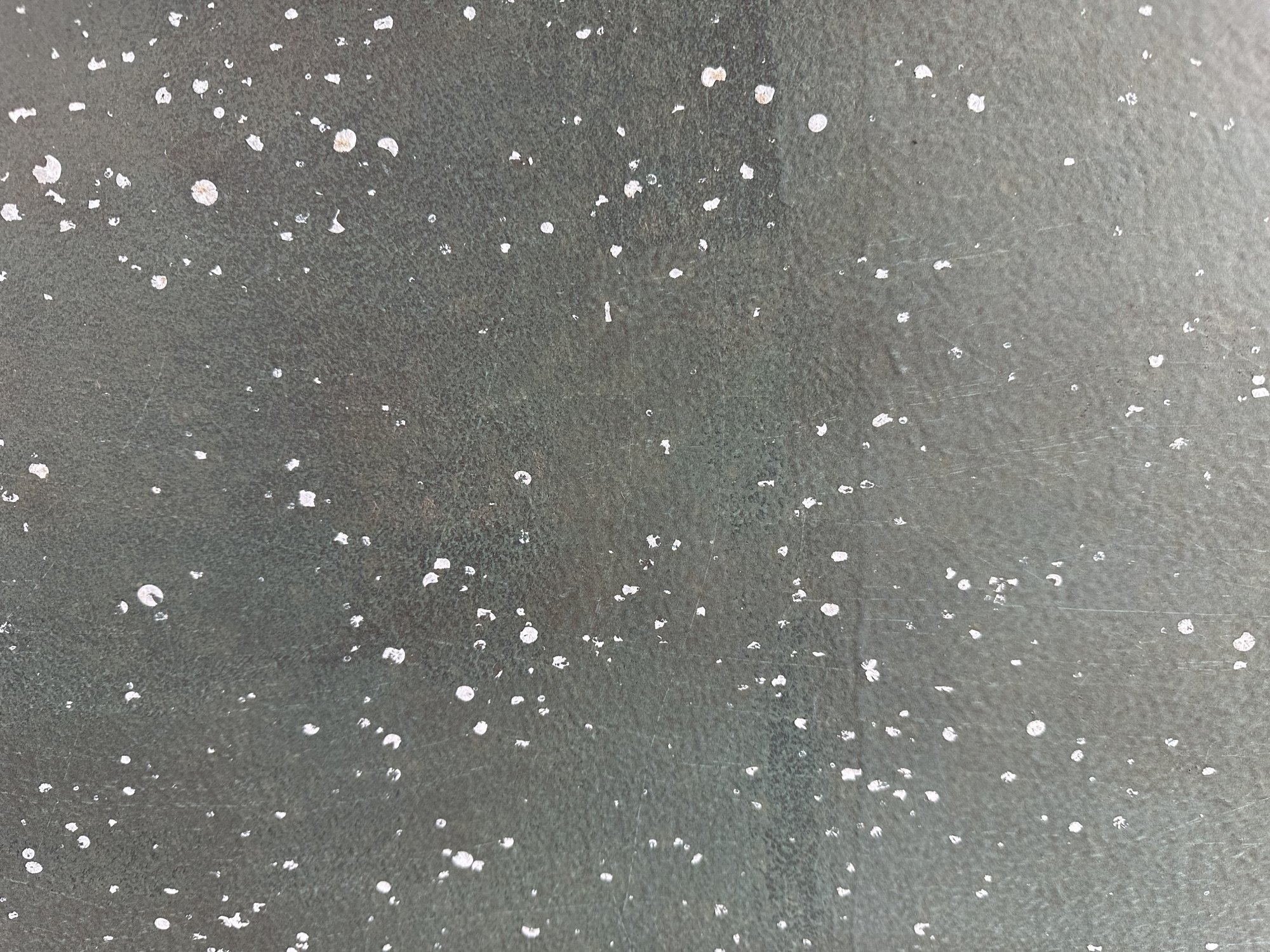
When we had coppercoat, I just used a paint scraper or chisel. One at a time, scrape them off. Hydrochloric (muratic) acid should also work, although it will dissolve the existing surface cuprous oxide, and require sanding again to reactivate the coppercoat.
Personally, I would just paint over the coppercoat with a real antifouling. That's what we did. We had a perfect professional coppercoat application. The surface was sanded gelcoat smooth with a perfect even cuprous oxide patina. Crap grew on it like crazy in the tropics, as you found in Grenada. I had to scrape our bottom every two weeks to keep the boat sailing. There are still a lot of boats I meet in the tropics who claim to be happy with their coppercoat. When I ask them how often they need to scrape it, they tell me every two weeks.
Needing scraping every two week is not antifouling in my book.
Meanwhile, we painted over the coppercoat 10 months ago with an inexpensive antifouling paint (Sigma Ecofleet 530, which in the US is called Ameron ABC3), and I have yet needed to clean it. It sat in a fetid Panama marina for several months, then through the South Pacific tropics. I dove it yesterday and found a dozen tiny pinhead-sized barnacles and no soft growth.
The one advantage of coppercoat is IF you have a glass-smooth application, and your picture suggests you do not, then you can scrape it with a metal scraper without worry of losing it, and it will be a faster bottom than antifouling paint. Otherwise, it is only as fast as any antifouling paint, but requires more work to keep it that way.
Mark