Hunter 31 on Delaware river

Sep 11, 2015
149
Hunter 31 Marina del Rey
Acquired an 1985 Hunter 31 that I intend to keep on the Delaware river and have some questions on what I should do in terms of maintenance and preparation to keep the boat on the river, near Philadelphia. I used to own another Hunter 31 on the West coast and I loved it but it was years ago and my memory is failing.

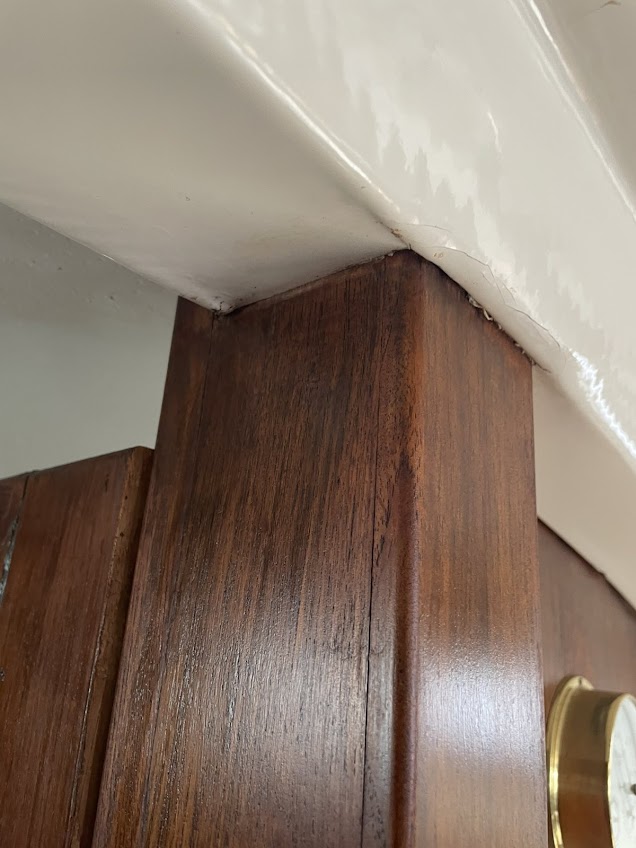
1. The compression post. Here is a picture of the current state. How bad does it look? Should I repair it now (the boat is in Long Island sound) or wait until I get to Philadelphia?

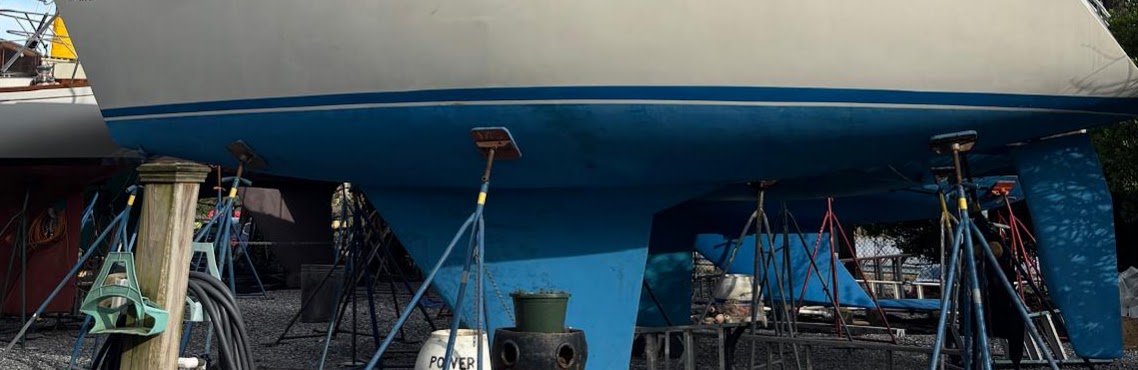
2. Should I stay with ablative paint (as the previous owner did) that I renew annually or should I go for hard paint? On the West coast, most of the boats used hard paint, it seems that for seasonal sailing and annual haulouts, ablative is preferred.

3. Is it realistic to keep the boat in the water year-round and deal with bubblers and bilge heaters or shall I haul out for the winter? I understand last winter was particularly bad and the river froze for a few days, but it did not for the previous 10 years. My preference is to keep the boat on the water if it is not unwise to do so.

Thank you,
SV Pizzazz II
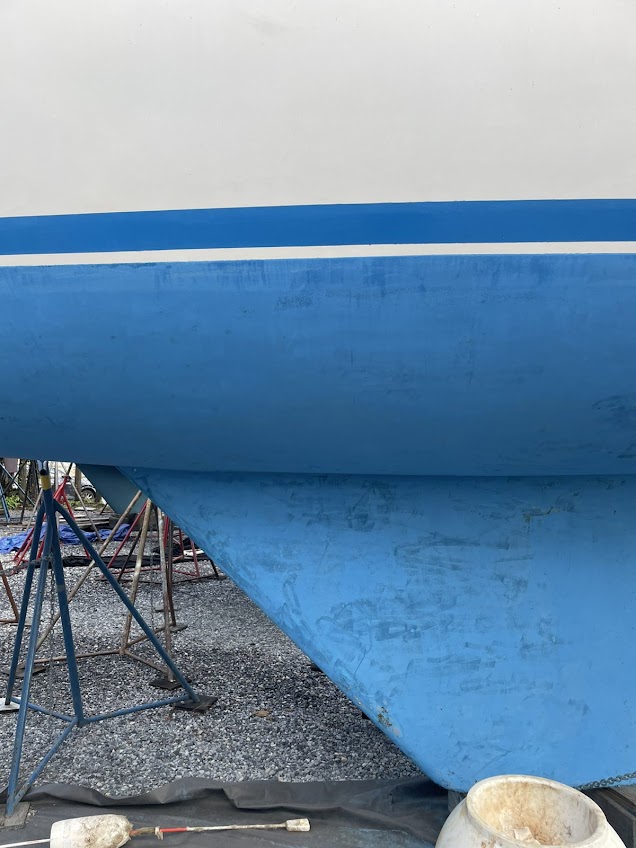
Bottom paint.jpg
Compression post.jpg
Full hull.jpg
 
Feb 26, 2004
23,318
Catalina 34 224 Maple Bay, BC, Canada
2. Should I stay with ablative paint (as the previous owner did) that I renew annually or should I go for hard paint? On the West coast, most of the boats used hard paint, it seems that for seasonal sailing and annual haulouts, ablative is preferred.
You should research replacing bottom paint. You can put ablative over hard, but not hard over ablative without removing the ablative.

The time between haulouts for new paint is not related to the type of paint. It is related to the number of coats of paint.
 
  • Like
Likes: Pizzazz
May 17, 2004
6,136
Beneteau Oceanis 37 Havre de Grace
1. The compression post. Here is a picture of the current state. How bad does it look? Should I repair it now (the boat is in Long Island sound) or wait until I get to Philadelphia?
I don’t have any direct experience with the Hunter 31, but that picture doesn’t scare me too much. Curved surfaces like that are common places to have non-structural crazing in the gelcoat. If there are no other signs of issues, like loose rigging, softness or cracking on deck, etc, then I probably wouldn’t rush. I’m no surveyor though, so I could be wrong.

2. Should I stay with ablative paint (as the previous owner did) that I renew annually or should I go for hard paint? On the West coast, most of the boats used hard paint, it seems that for seasonal sailing and annual haulouts, ablative is preferred.
Plenty of boats use either in the part of the country. As Stu says once you go to ablative you can’t go back without taking it all off, so think about what you’ll want. If you do get ablative you might find you don’t need to do a full record each year. It’s pretty common approach to put a tracer coat in a different color below the top coat. Then refresh when you see the tracer.

3. Is it realistic to keep the boat in the water year-round and deal with bubblers and bilge heaters or shall I haul out for the winter? I understand last winter was particularly bad and the river froze for a few days, but it did not for the previous 10 years. My preference is to keep the boat on the water if it is not unwise to do so.
It’s doable, but you’ll be in the minority. Taking the boat out is a good chance to do all kinds of maintenance. Either way you still need to winterize everything, so you probably won’t save much work leaving it in. Many marinas include the haul out, winter storage, and launch in the cost of an annual contract.
 
  • Like
Likes: Pizzazz
Jan 11, 2014
13,974
Sabre 362 113 Fair Haven, NY
1. The compression post. Here is a picture of the current state. How bad does it look? Should I repair it now (the boat is in Long Island sound) or wait until I get to Philadelphia?
Gelcoat cracking on an outside corner is not uncommon in boats. Sometimes the glass pulls away from the gelcoat before it has cured, leaving a small void between the fiberglass and gelcoat. Gelcoat is brittle and it will crack in those unsupported areas.

When a compression post is failing there will areas of depression on deck, on the cabin sole, and cabin headliner. A common place for problems with compression posts is underneath the sole where it meets the hull. If the post gets wet it deteriorate. Another area to look is the deck around the mast step, is there a depression? It could be caused by either compression post no longer supporting the mast step or it could be a wet and rotting core on the deck beneath the mast step.

It's difficult to make a firm diagnosis based on photos alone. A surveyor or rigger would be in a better position to render an opinion.

I've nothing to add David's or Stu's advice on bottom paint.

In the Delaware River, be sure to use an aluminum anode, not a zinc.
 
  • Like
Likes: Pizzazz