

- Oct 22, 2014
- 24,797
Well, it is nearly here. The 2026 Hurricane Season begins on 01 June 2026.
An El Niño year is the dominant theme for 2026.
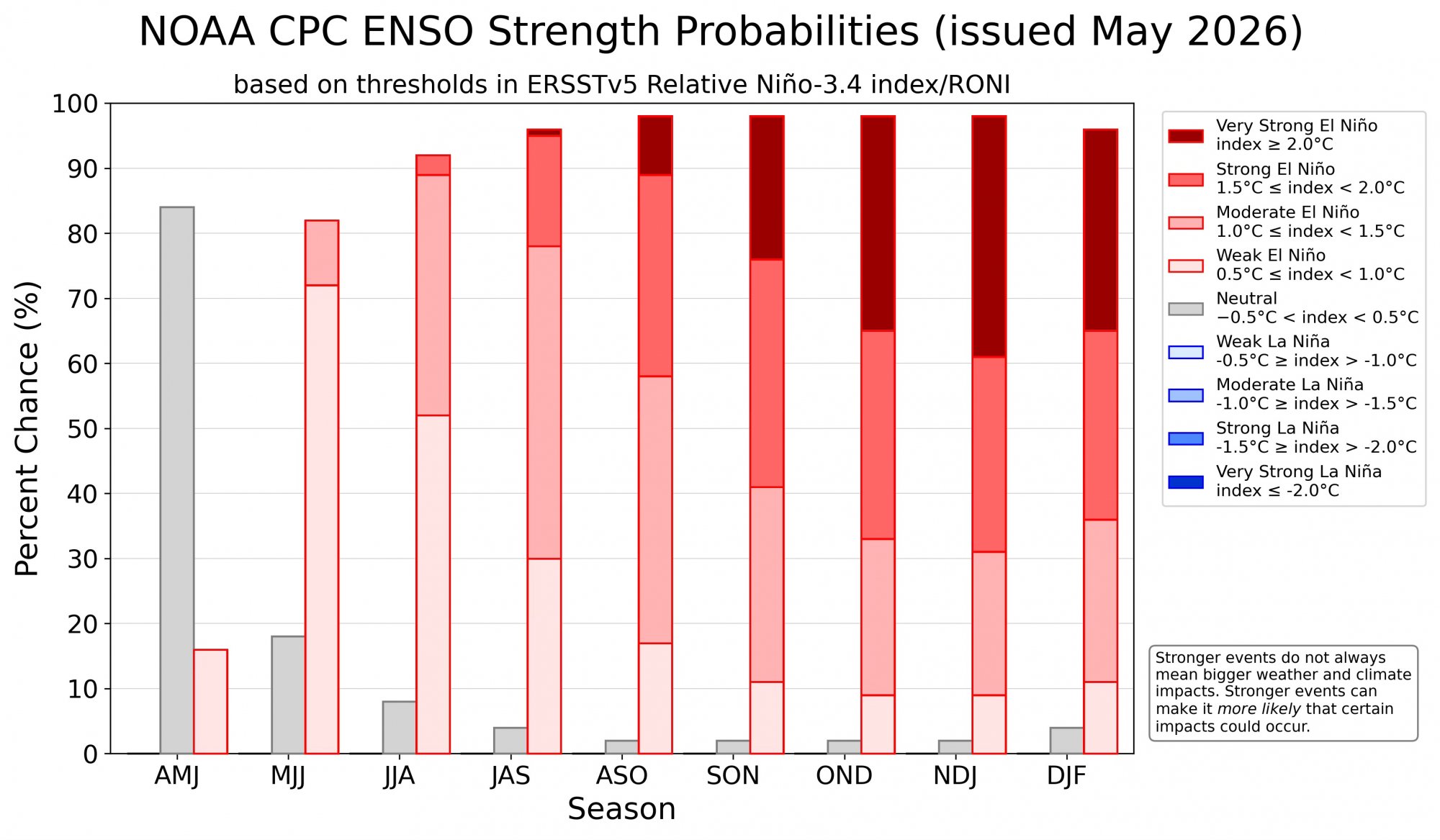
We have discussed ENSO current activity in the Central Pacific over the past 7 or so years. When the current’s water temperatures rise, and the flow is westward, we call it an El Nińo year. The effect on the Atlantic is to produce conditions that are “less favorable” for hurricane formation.
Based on the temperature readings of the ENSO currents for the past 6 months, that is the expectation.
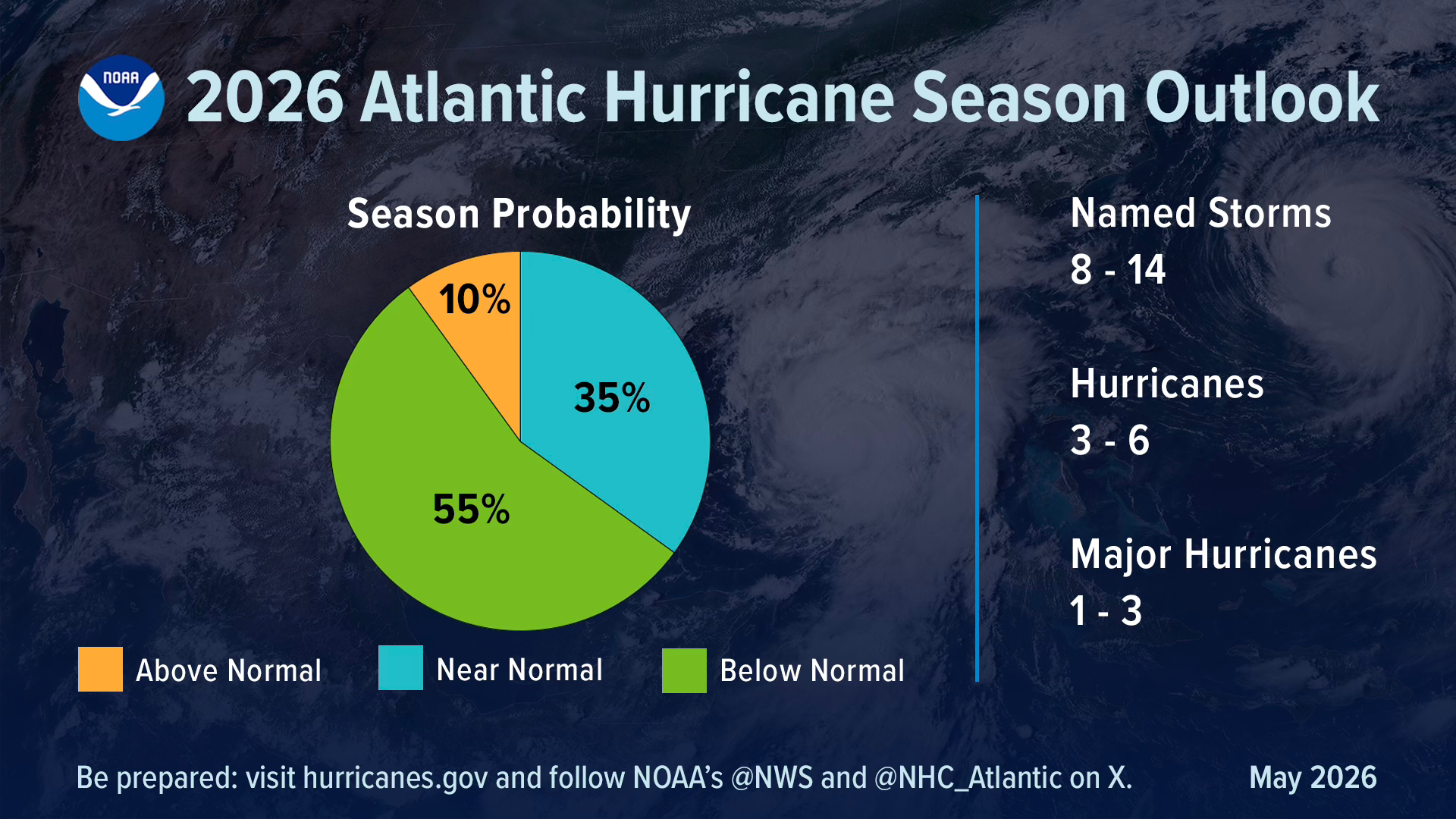
NOAA predicts below-normal 2026 Atlantic hurricane season.
Early preparation essential to staying safe all season
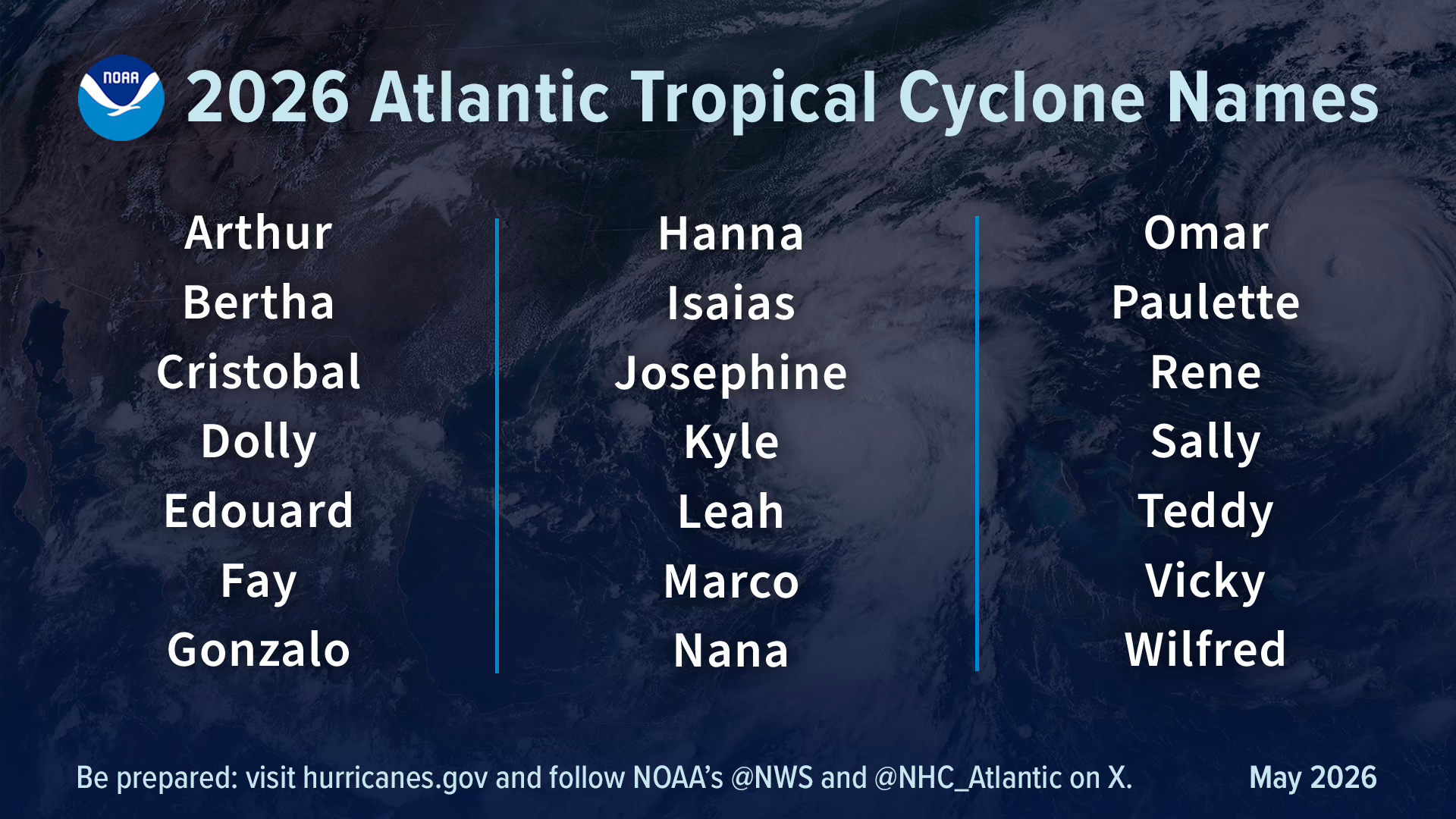
Colorado State University (CSU) reports.
2026 Forecast Summary
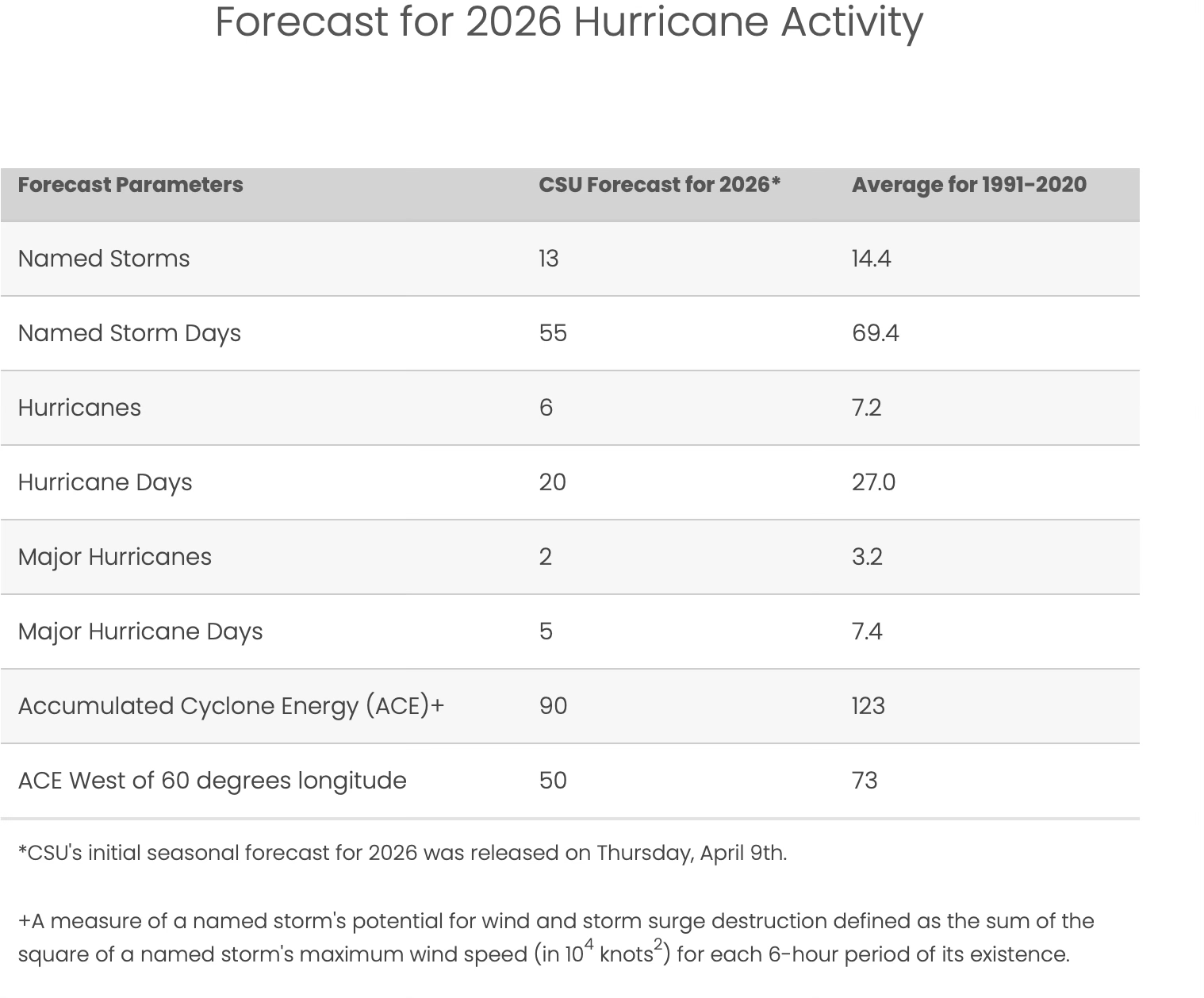
The CSU Accumulated Cyclone Energy (ACE) forecast is 33 points (at 90) below the 1991 to 2020 average of 123. This is encouraging news, supporting the forecast for a lower-hurricane-event year.
While this is good news, we must remember that this is a forecast of potential, not an absolute. Mother Nature has her own ideas about the ”WEATHER”. As sailors, we need to be ready for a storm that could develop into a dangerous gale. Having a plan to protect our crew and boat is good seamanship.
Prepared by Jim Gurley and John Shepard
An El Niño year is the dominant theme for 2026.
We have discussed ENSO current activity in the Central Pacific over the past 7 or so years. When the current’s water temperatures rise, and the flow is westward, we call it an El Nińo year. The effect on the Atlantic is to produce conditions that are “less favorable” for hurricane formation.
Based on the temperature readings of the ENSO currents for the past 6 months, that is the expectation.
NOAA predicts below-normal 2026 Atlantic hurricane season.
Early preparation essential to staying safe all season
Colorado State University (CSU) reports.
2026 Forecast Summary
We anticipate that the 2026 Atlantic basin hurricane season will have somewhat below-normal activity. Current weak La Niña conditions are likely to transition to El Niño in the next few months, with the potential for a moderate/strong El Niño for the peak of hurricane season. Sea surface temperatures in the western tropical Atlantic are warmer than normal but slightly cooler than normal in the eastern and central tropical Atlantic. We anticipate El Niño being the dominant factor for the upcoming hurricane season, driving increased levels of tropical Atlantic vertical wind shear. We are forecasting a below-average probability for major hurricane landfalls along the continental United States coastline and in the Caribbean. As with all hurricane seasons, coastal residents are reminded that it only takes one hurricane making landfall to make it an active season. Thorough preparations should be made every season, regardless of predicted activity.
The CSU Accumulated Cyclone Energy (ACE) forecast is 33 points (at 90) below the 1991 to 2020 average of 123. This is encouraging news, supporting the forecast for a lower-hurricane-event year.
While this is good news, we must remember that this is a forecast of potential, not an absolute. Mother Nature has her own ideas about the ”WEATHER”. As sailors, we need to be ready for a storm that could develop into a dangerous gale. Having a plan to protect our crew and boat is good seamanship.
Prepared by Jim Gurley and John Shepard
