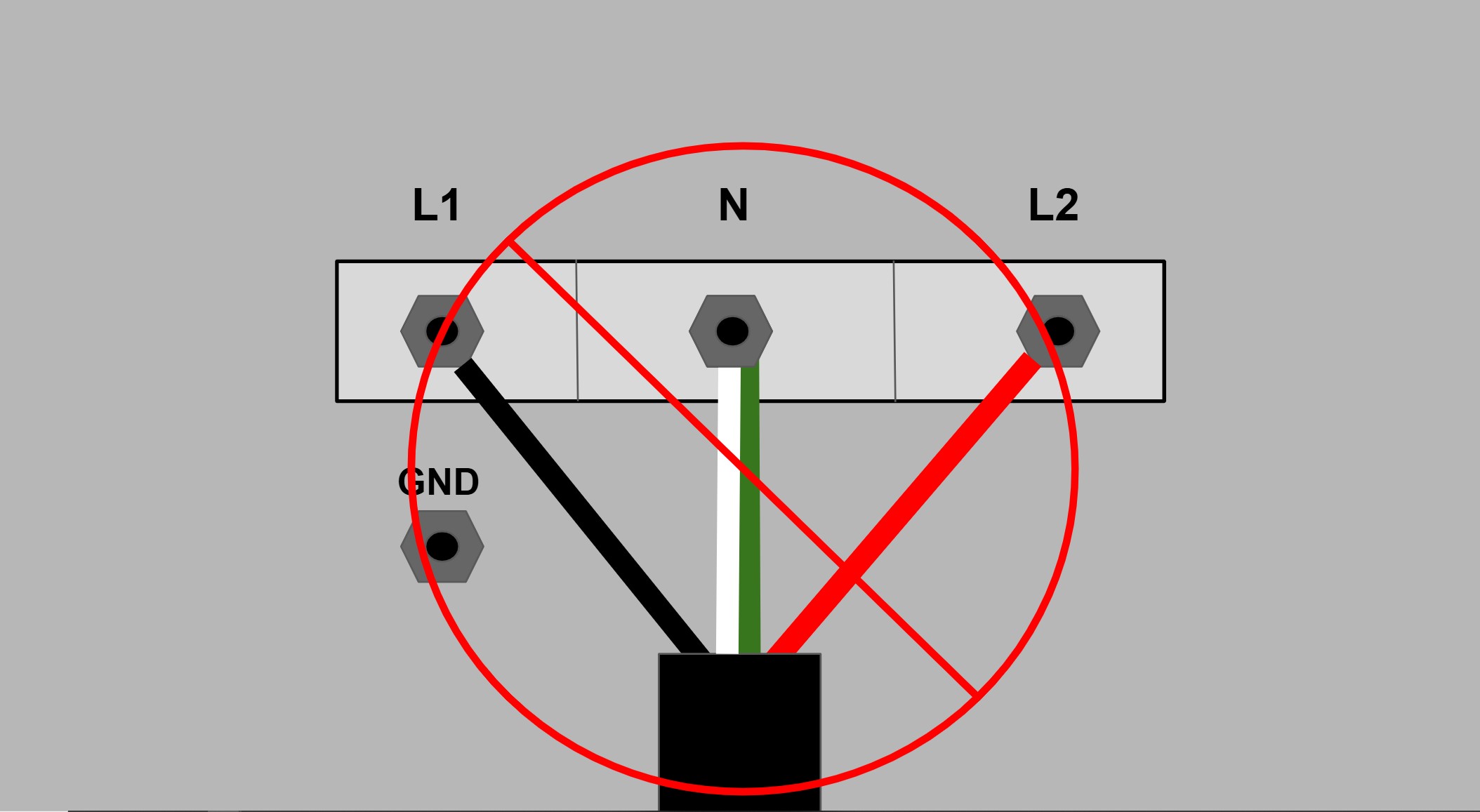
About half way down the page under 'AC Appliances.'
Unfortunately he does not elaborate, only points it out.
This is Chat GPT 4's response:
Bonding of Neutral and Ground in AC Appliances
Whether
AC appliances bond the neutral and ground internally depends on the design and function of the appliance. Here’s a breakdown of how this works:
General Practices
1. Appliance Types
- Cord-and-Plug Appliances: Most appliances, like lamps or toasters, with a three-prong plug have the neutral and ground bonded inside. This ensures safety by creating a common reference point.
- Hardwired Appliances: Some larger appliances (like electric ranges or water heaters) also bond neutral to ground internally, especially if they are connected directly to the electrical system without a plug.
2. Grounding Methods
- Proper Grounding: In appliances designed with safety as a priority, the neutral is bonded to the ground at a single point, usually at the appliance chassis.
- Isolation: High-quality electrical codes often require that the grounding system remains separate from the neutral in the appliance’s internal workings, especially to prevent ground loops and ensure safety.
Safety Considerations
1. Circuit Protection
- Bonding facilitates the operation of protective devices, such as circuit breakers or fuses, to interrupt the circuit in case of a fault.
2. Electrical Codes
- Many electrical codes (like the National Electrical Code in the U.S.) specifically regulate when and how appliances should bond neutral and ground. For instance, after the first connection point in the electrical system (usually at the service panel), it is typically required that neutral and ground remain separate to minimize shock hazards.
Conclusion
In summary, while many AC appliances do bond the neutral and ground internally for safety, this practice can vary based on the appliance type and design. Understanding these nuances is important for ensuring compliance with safety standards and promoting safe electrical practices.