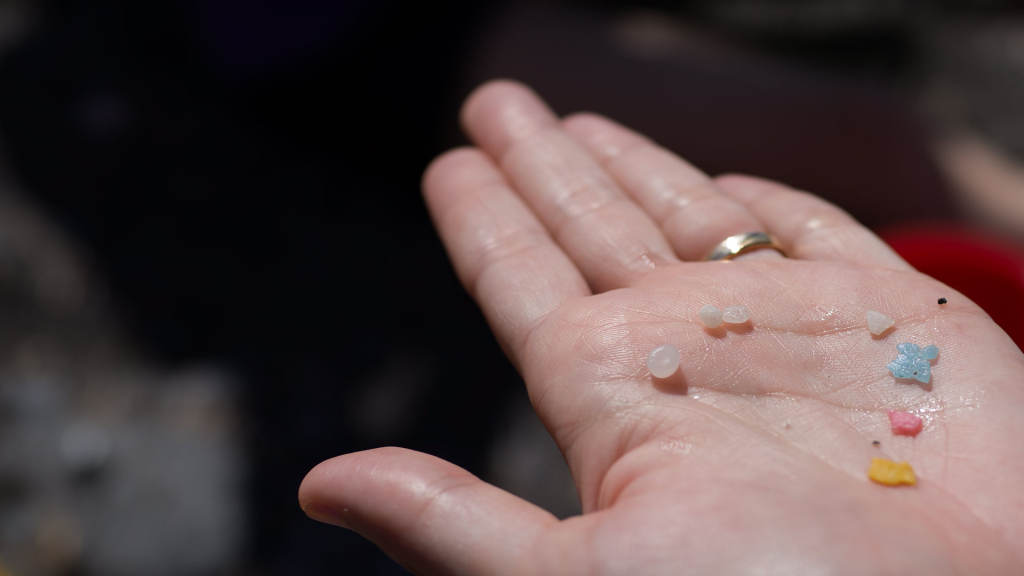
Looking at “microplastics”, the IUCN is the recognized scientific source for data.
I had AI gather data from their research.
Major world sources
• Primary microplastics (released already as small particles): Classic IUCN estimates for oceans put synthetic textiles (washing clothes; ~35%) and tire wear (~28%) as the two largest, followed by city dust (~24%), road markings, marine coatings, personal-care microbeads (~2%), and industrial plastic pellets (nurdles). Newer estimates continue to rank tire wear, paints/coatings, and pellets highly for both ocean and land releases; paint, pellets, and tires can dominate certain inventories. Pathways include road runoff, wastewater, and atmospheric deposition.
Such data suggests the use of natural fiber clothing and less use of synthetic tire automobiles. Would help to reduce 63% of the world’s microplastic waste.
Tiny plastic particles washed off products such as synthetic clothes and car tyres could contribute up to 30% of the ‘plastic soup’ polluting the world’s oceans and – in many developed countries – are a bigger source of marine plastic pollution than plastic waste, according to a new IUCN report.

iucn.org